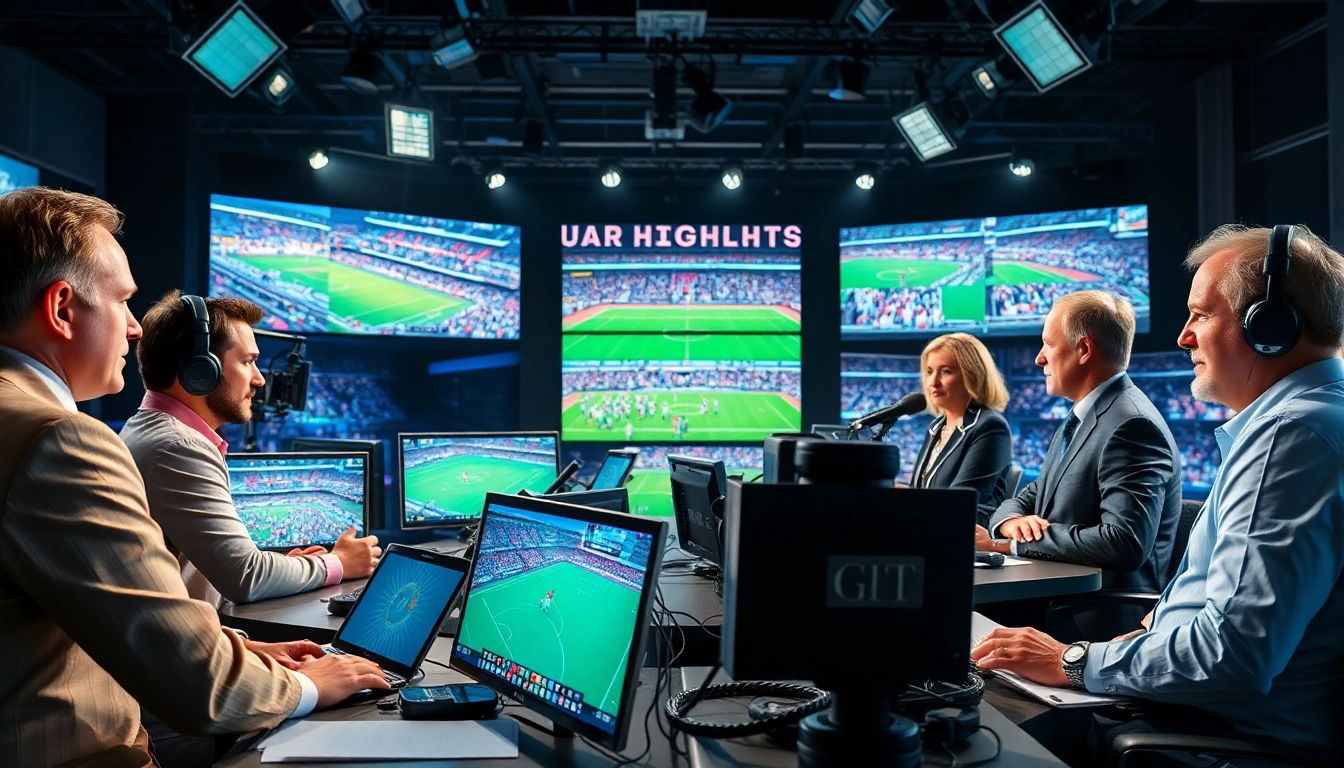
Understanding the Landscape of Sports Broadcasting
Sports broadcasting is a dynamic field that encompasses the transmission of sports events through various mediums, reaching fans across the globe. This sector not only provides entertainment but also generates revenue, affects sports management decisions, and influences fan engagement. In the ever-evolving world of media, understanding the nuances of Sports Broadcasting is crucial for anyone interested in sports, media, or business. This article delves into the historical evolution, technological advancements, types of broadcasts, and the challenges and best practices entities face in this riveting industry.
What is Sports Broadcasting?
Sports broadcasting refers to the distribution of live sports events to an audience via television, radio, or the internet. This process involves multiple components, including camera work, commentary, live analysis, and post-game discussions. The primary purpose is to deliver sporting events in a way that contextualizes the action, enhances viewer engagement, and provides insightful commentary.
Historical Evolution of Sports Broadcasting
Sports broadcasting has transformed dramatically over the last century. It began with radio broadcasts in the early 20th century, where play-by-play commentary allowed fans to experience games from afar. The advent of television in the 1950s revolutionized the industry, attracting a broader audience and fostering the creation of iconic sports programming. Today, the rise of the internet and streaming services has led to unprecedented accessibility, enabling fans to watch games anytime, anywhere.
The Role of Technology in Sports Broadcasting
Technology has played a pivotal role in enhancing the sports broadcasting experience. High-definition cameras, drone technology, and augmented reality are among the tools redefining viewer engagement. Innovations such as instant replay systems and on-screen statistics provide viewers with richer context and enhance the overall viewing experience. Additionally, the shift towards online streaming platforms is changing how audiences consume sports content, allowing for greater flexibility and customization.
Key Components of Sports Broadcasting
Types of Sports Broadcasting
Sports broadcasting can primarily be categorized into three types: live sports coverage, highlights, and analysis shows. Live sports coverage is the most immersive and involves real-time commentary and live visuals of ongoing events. Highlight shows compile key moments from games, catering to audiences who may miss live broadcasts. Analysis shows provide expert insights and breakdowns, adding depth to the audience’s understanding of sports dynamics.
Production Elements in Sports Broadcasting
The production of a sports broadcast comprises several crucial elements, including scripting, filming, editing, and sound engineering. Coordination between various departments is key to ensuring smooth operations during live events. Camera angles, the use of graphics, and sound design significantly impact the viewer’s experience. Quality production elements can elevate a broadcast from ordinary to extraordinary, creating memorable moments for viewers.
Analyzing Audience Engagement in Sports Broadcasting
Understanding audience engagement is essential in sports broadcasting. Techniques such as social media interaction, fan polls, and live Q&A sessions can enhance viewer participation. Engaging narratives that resonate with fans encourage loyalty and ongoing viewership. Metrics such as viewership ratings, social media mentions, and website traffic play a vital role in evaluating how effectively broadcasts engage their target audience.
Challenges in Sports Broadcasting
Managing Live Broadcasts
Live broadcasts present unique challenges, as they require immediate decision-making and seamless coordination. Unexpected events such as weather changes, technical glitches, or last-minute schedule alterations must be managed adeptly to maintain broadcast quality. Clear communication between the production team, commentators, and technical staff is vital in addressing these sudden challenges effectively.
Dealing with Technical Difficulties
Technical difficulties are an inevitable part of sports broadcasting. Issues can arise from equipment failure, connectivity problems, or software malfunctions. Having contingency plans, backup equipment, and skilled technicians on hand can mitigate these risks. Training staff to handle emergencies and ensuring thorough testing of equipment before events can further enhance reliability.
Competition and Market Dynamics in Sports Broadcasting
The sports broadcasting landscape is fiercely competitive, with numerous platforms vying for viewer attention. Traditional networks face increasing pressure from digital competitors and streaming services that offer exclusive content and flexible viewing options. Understanding market dynamics, securing broadcasting rights, and innovating content delivery methods are critical strategies for remaining competitive in this evolving environment.
Best Practices for Effective Sports Broadcasting
Creating Quality Content for Sports Broadcasting
High-quality content is the backbone of successful sports broadcasting. Producing live event commentary that is informative, engaging, and entertaining captivates audiences. Integrating historical context, player backgrounds, and expert opinions enriches the narrative, enhancing viewer enjoyment. Continuous training of broadcasters in storytelling techniques can lead to more compelling content.
Engaging Viewers Through Interactive Experiences
Engagement can be significantly enhanced through interactive experiences. Utilizing social media platforms for live discussions, fan voting on things like ‘Player of the Game,’ and offering second-screen experiences with additional content can create a more immersive viewing experience. Real-time engagement fosters a sense of community among fans, reinforcing their connection to the sport and the broadcast.
Utilizing Analytics for Improving Sports Broadcasting
Analytics plays a crucial role in refining sports broadcasting strategies. By analyzing viewership data, broadcasters can determine audience preferences, peak viewing times, and content types that resonate most. This data-driven approach allows networks to tailor content, optimize advertising strategies, and improve overall viewer satisfaction, ultimately driving greater success.
The Future of Sports Broadcasting
Emerging Trends in Sports Broadcasting
The future of sports broadcasting is being shaped by emerging trends such as virtual reality (VR), artificial intelligence (AI), and the rise of eSports. VR has the potential to provide fans with unprecedented immersive experiences, while AI can enhance broadcasting efficiency through automated content generation and personalized recommendations. Leveraging these technologies will help broadcasters stay ahead of the curve.
Impact of Streaming Services on Sports Broadcasting
Streaming services are reshaping the sports broadcasting landscape by offering viewers on-demand access to content. This shift has prompted traditional broadcasters to adapt their strategies, resulting in changes to programming and subscription models. As viewers increasingly favor flexibility, the competition to deliver high-quality streaming experiences will intensify, requiring broadcasters to innovate continuously.
Innovations Shaping the Future of Sports Broadcasting
Innovations in broadcasting technology, such as 5G connectivity, advanced data analytics, and cross-platform broadcasting, are set to redefine the viewer experience. These advancements will facilitate smoother streams, richer data integration, and enhanced interactivity during broadcasts. Embracing these technologies will be essential for any broadcaster looking to thrive in the competitive sports landscape.
Frequently Asked Questions
What is sports broadcasting?
Sports broadcasting involves transmitting live or recorded sports events to audiences through television, radio, or online platforms, featuring commentary and analysis.
How has technology impacted sports broadcasting?
Technology has revolutionized sports broadcasting by introducing high-definition visuals, instant replays, augmented reality, and online streaming, enhancing viewer experiences.
What are the main challenges in sports broadcasting?
Main challenges include managing live broadcasts, technical difficulties, and navigating competition from digital platforms and other broadcasters.
How can audience engagement be enhanced in sports broadcasting?
Engagement can be enhanced through interactive experiences, social media integration, fan polls, and content that resonates with viewer interests.
What trends are shaping the future of sports broadcasting?
Key trends include the rise of streaming services, virtual reality experiences, artificial intelligence, and an increasing focus on eSports broadcasting.